
Glass skin has become one of the most sought-after beauty goals in recent years. Originating from Korean beauty culture, the term refers to skin that appears exceptionally smooth, hydrated, luminous, and almost translucent, like a piece of clear glass. It’s not about having perfect skin. Instead, it’s about having healthy skin that reflects light naturally because it is deeply nourished and well cared for.
For a long time, I assumed glass skin was only possible for people with expensive skincare collections and endless beauty treatments. Social media certainly makes it look that way. But after learning more about the principles behind Korean skincare, I realized that glass skin is less about products and more about consistency, hydration, and supporting your skin barrier.
The good news is that you do not need a shelf full of luxury products to achieve a glowing complexion. With the right natural skincare routine, healthy lifestyle habits, and patience, you can significantly improve your skin’s texture, hydration, and overall appearance.
In this guide, you’ll learn exactly how to get glass skin naturally using affordable ingredients, effective skincare techniques, and everyday habits that support healthy, radiant skin.
What Is Glass Skin? And Is It Really Achievable Naturally?
Glass skin describes skin that looks smooth, clear, hydrated, and luminous. The goal is not to erase every pore or achieve unrealistic perfection. Instead, it focuses on maximizing your skin’s health so that it appears naturally radiant.
The concept comes from Korean beauty, where skincare is viewed as long-term maintenance rather than quick fixes. The Korean philosophy of “chok chok” skin emphasizes deep hydration and a strong skin barrier.
Many people believe that glass skin requires professional treatments or expensive products. In reality, the foundation of glass skin rests on two simple principles:
- Maintaining a healthy skin barrier
- Keeping the skin deeply hydrated
Whether you have oily skin, dry skin, combination skin, or sensitive skin, you can improve your skin’s appearance by focusing on these two factors.
The Glass Skin Skincare Routine: Step by Step
Step 1: Double Cleansing
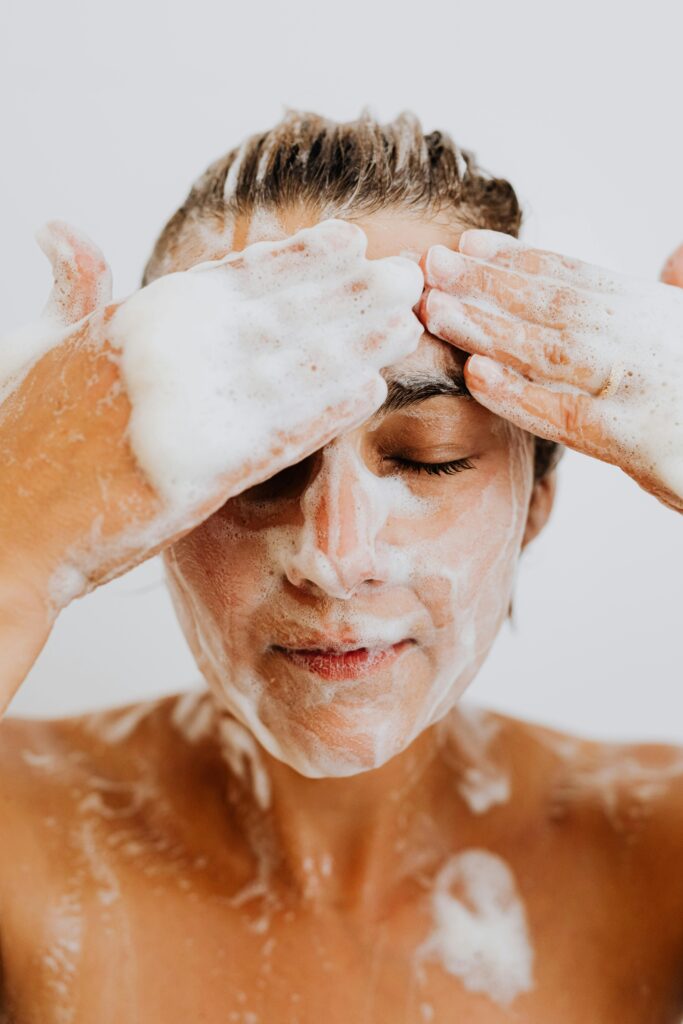
One of the most important parts of the Korean glass skin routine is double cleansing.
The first cleanse removes sunscreen, makeup, excess oil, and environmental pollutants. The second cleanse removes remaining dirt and sweat from the skin.
If you wear sunscreen daily, double cleansing can help keep your pores clear without aggressive scrubbing.
However, avoid over-cleansing. Washing your face too frequently can strip your skin barrier and lead to irritation and dehydration.
Step 2: Gentle Exfoliation
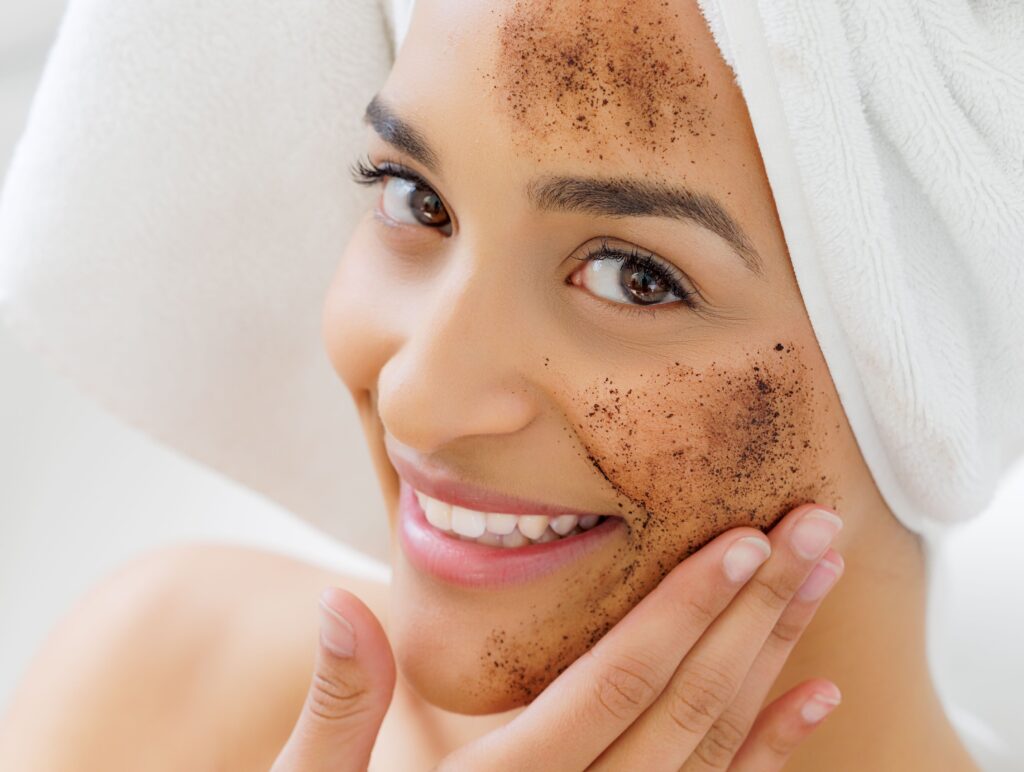
Dead skin cells can make your complexion look dull and uneven. Gentle exfoliation helps reveal fresher skin underneath.
Exfoliating two to three times per week is usually enough for most people. Over-exfoliating is one of the most common skincare mistakes and can damage the skin barrier.
Look for gentle exfoliating ingredients or natural options such as oatmeal masks rather than harsh scrubs.
Step 3: Use a Hydrating Toner
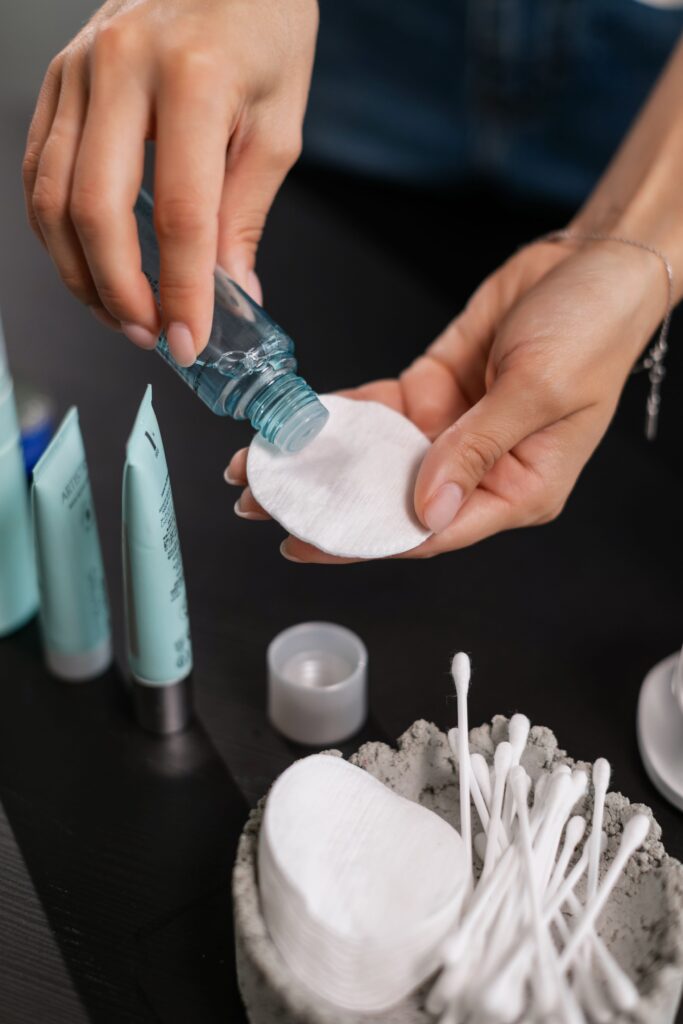
A hydrating toner helps replenish moisture immediately after cleansing.
Natural ingredients such as rice water, green tea, and aloe vera can be excellent additions to a glass skin routine. These ingredients help soothe and hydrate the skin while preparing it for the next skincare steps.
Step 4: Layer Hydration
Hydration is the heart of glass skin.
Instead of applying one thick product, Korean skincare often focuses on applying several thin layers of hydration. This technique allows the skin to absorb moisture more effectively.
Pat products gently into the skin instead of rubbing aggressively. This simple habit can help reduce irritation and improve absorption.

Step 5: Apply a Targeted Serum
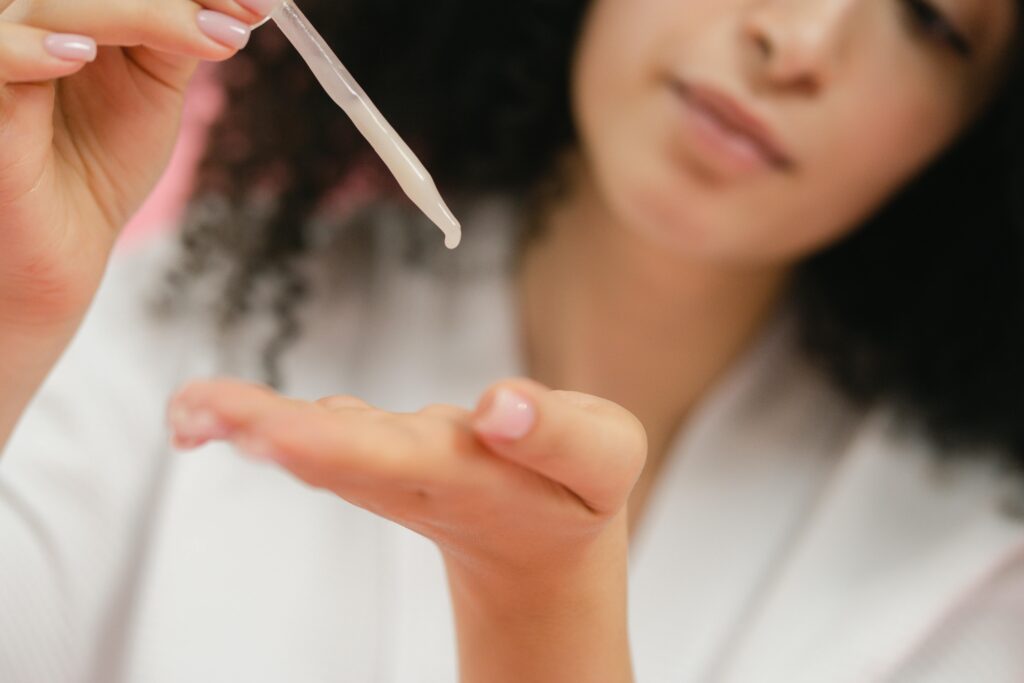
Serums address specific concerns such as uneven skin tone, dullness, and enlarged pores.
Vitamin C serums can help brighten the skin and improve the appearance of dark spots. Niacinamide may help improve skin texture and minimize the appearance of pores.
Choose one serum that addresses your primary concern rather than layering multiple active ingredients unnecessarily.
Step 6: Moisturize
Many people with oily skin skip moisturizer because they think it will make their skin greasy. In reality, dehydrated skin often produces even more oil.
A good moisturizer helps lock in hydration and supports the skin barrier.
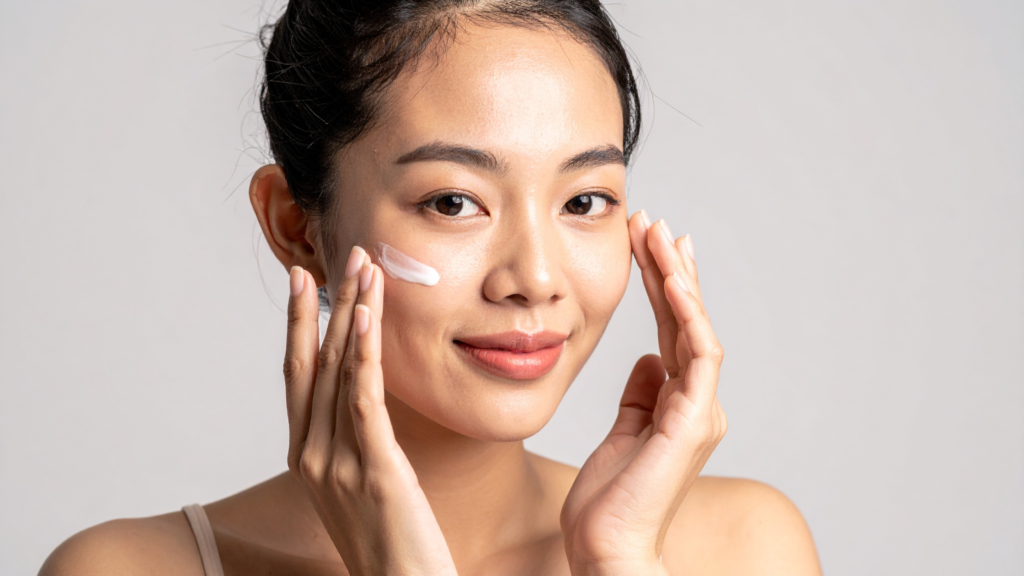
Step 7: Never Skip Sunscreen
If there is one step you should never skip, it is sunscreen.
Sun exposure contributes to uneven skin tone, hyperpigmentation, fine lines, and collagen breakdown. Even the best skincare routine cannot overcome daily sun damage.
Use a broad-spectrum sunscreen every morning, even on cloudy days.

Natural Ingredients That Give You Glass Skin
Aloe Vera
Aloe vera is one of the most versatile natural skincare ingredients available.
It hydrates, soothes irritation, and helps calm redness. Fresh aloe vera gel can be applied directly to clean skin as a lightweight moisturizer.
Rice Water
Rice water has been used in Asian beauty traditions for centuries.
Many people use fermented rice water as a toner because it helps soften the skin and improve overall brightness.
Green Tea
Green tea contains antioxidants that help protect the skin from environmental stress.
You can use cooled green tea as a facial mist or toner for a refreshing boost throughout the day.
Raw Honey
Raw honey is a natural humectant, meaning it attracts moisture to the skin.
A simple honey mask once or twice a week can leave the skin feeling soft and hydrated.
Turmeric
Turmeric is known for its brightening properties.
Mixed with yogurt or honey, it can be used as a weekly face mask to improve the appearance of dull skin.
Rosehip Oil
Rosehip oil contains vitamins and essential fatty acids that support skin renewal.
Many people use it to help improve skin texture and reduce the appearance of dark spots.
Diet and Hydration: What You Eat Matters
Your skincare products can only do so much.
Healthy skin starts from within, and your diet plays a major role in your skin’s appearance.
Drink More Water
Dehydration often shows up as dull, tired-looking skin.
Aim to drink water consistently throughout the day rather than waiting until you’re thirsty.
Eat More Antioxidant-Rich Foods
Foods rich in antioxidants help protect skin cells from damage.
Some excellent choices include:
- Blueberries
- Strawberries
- Tomatoes
- Sweet potatoes
- Spinach
- Leafy greens
Include Healthy Fats
Omega-3 fatty acids help support a healthy skin barrier.
Good sources include:
- Salmon
- Chia seeds
- Flaxseeds
- Walnuts
Support Gut Health
Emerging research continues to highlight the connection between gut health and skin health.
Foods like yogurt and fermented vegetables may help support a healthy gut microbiome.
Lifestyle Habits That Support Glass Skin
Prioritize Sleep
Your skin performs many repair processes while you sleep.
Consistently getting seven to nine hours of sleep each night can make a noticeable difference in your complexion.
Manage Stress
Stress increases cortisol levels, which can contribute to breakouts and inflammation.
Simple habits such as walking, journaling, stretching, or prayer can help reduce stress levels.
Exercise Regularly
Exercise improves circulation and helps deliver oxygen and nutrients throughout the body.
Many people notice a healthy post-workout glow because of increased blood flow.
Avoid Touching Your Face
This habit transfers dirt, bacteria, and oil to your skin.
It seems minor, but reducing unnecessary face touching can help prevent breakouts.
Glass Skin for Different Skin Types
Oily Skin
Focus on lightweight hydration rather than heavy creams.
Hydrated oily skin often produces less excess oil over time.
Dry Skin
Use richer moisturizers and consider adding a facial oil to seal in moisture.
Combination Skin
Apply lighter products to oily areas and richer products where your skin feels dry.
Sensitive Skin
Choose fragrance-free products and introduce new ingredients slowly.
Patch testing should always be part of your routine.
Common Mistakes That Prevent Glass Skin
Many people unknowingly sabotage their results.
Common mistakes include:
- Skipping sunscreen
- Over-exfoliating
- Using too many active ingredients
- Expecting overnight results
- Inconsistency
- Ignoring hydration
- Not moisturizing oily skin
Glass skin is not achieved in a week. Most people see noticeable improvements after several weeks of consistent care.
Conclusion
Glass skin is not about perfection. It is about creating healthy conditions for your skin to thrive.
A strong skin barrier, consistent hydration, a balanced diet, quality sleep, and daily sun protection all work together to create naturally radiant skin. Expensive products are not required. What matters most is consistency.
Start small. Choose one or two habits from this guide and commit to them daily. Over time, those small actions add up, and your skin will begin to reflect the care you give it.
Healthy, glowing skin is not a privilege reserved for a few people. It is something most of us can work toward with patience, simple habits, and the right routine.