
Have you ever looked in the mirror and wondered why your skin suddenly looks dull, tired, or uneven despite following a skincare routine?
Many of us spend money on cleansers, serums, moisturizers, and face masks hoping to achieve healthy, glowing skin. While a good skincare routine certainly matters, there is something many people overlook: your skin is built from the nutrients you consume every day.
What you eat has a direct impact on your complexion. In fact, dermatologists and nutrition experts increasingly recognize the connection between diet and skin health. Your skin constantly renews itself. To do that effectively, it requires vitamins, minerals, healthy fats, antioxidants, and protein.
I learned this lesson firsthand several years ago. At one point, my skincare shelf was packed with products. I was trying everything from brightening serums to exfoliating treatments. Yet my skin still looked tired. It wasn’t until I started paying attention to my nutrition that I noticed a significant difference. My complexion became more even, my skin felt softer, and that healthy glow I had been chasing finally started to appear.
The truth is simple. Beautiful skin is not created by products alone. Healthy skin starts from within.
If you’re searching for foods for healthy skin, natural ways to improve your complexion, or the best foods for glowing skin, this guide will show you seven powerful foods that can help nourish, protect, and support your skin naturally.
Why Food Matters for Skin Health
Before diving into specific foods, it helps to understand why nutrition plays such a major role in skin appearance.
Your skin is your body’s largest organ. Every day it faces environmental stressors such as pollution, sunlight, dry air, and temperature changes. To repair itself and function properly, your skin relies on nutrients supplied through your diet.
Certain foods contain antioxidants that help protect skin cells from damage. Others provide healthy fats that strengthen the skin barrier and improve hydration. Some foods support collagen production, while others reduce inflammation that can contribute to acne, redness, and premature aging.
When your diet lacks these nutrients, your skin may respond with:
- Dryness
- Dullness
- Increased breakouts
- Uneven skin tone
- Premature fine lines
- Slower healing
This is why a nutrient-rich diet is one of the most effective natural skincare solutions available.
1. Avocados: The Ultimate Healthy Fat for Glowing Skin
If I could recommend just one food for skin health, avocados would be near the top of the list.
Avocados are packed with monounsaturated fats, often called healthy fats. These fats help maintain skin elasticity and support hydration. When your skin barrier is healthy, it can hold moisture more effectively, resulting in softer and smoother skin.
Many people focus on buying expensive moisturizers while ignoring the role healthy fats play in skin health. Moisture doesn’t only come from what you apply to your face. It also comes from how well your skin functions internally.
Avocados are also rich in vitamin E, one of the most important antioxidant skincare nutrients. Vitamin E helps protect skin cells from oxidative stress caused by free radicals. Free radicals are unstable molecules generated by pollution, UV exposure, and even normal metabolic processes. Over time, they contribute to visible signs of aging.
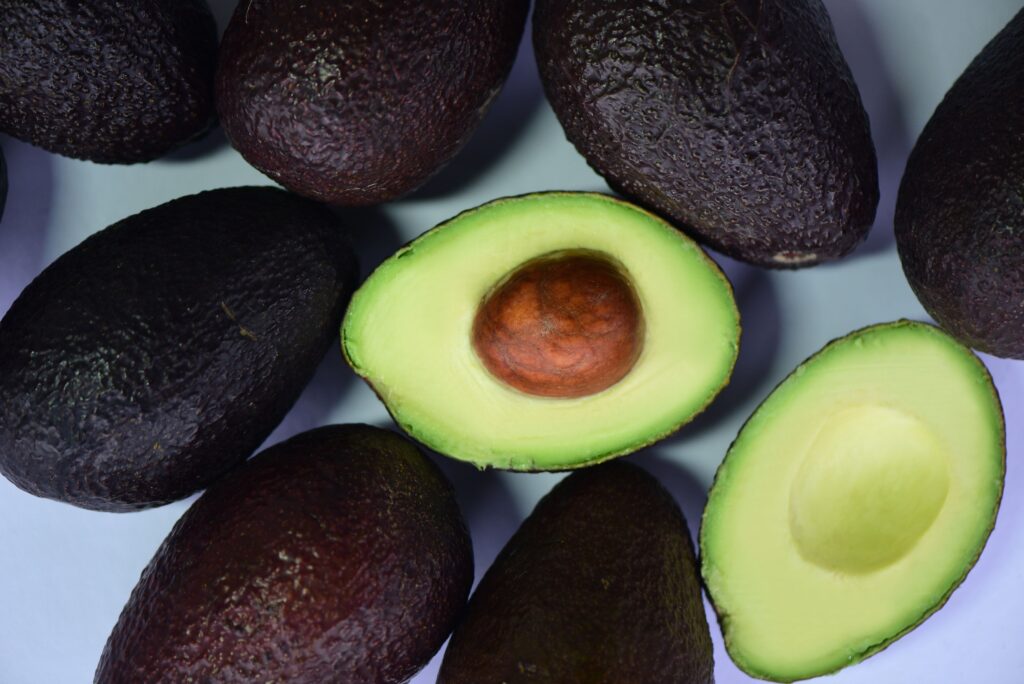
How Avocados Support Healthy Skin
Regularly eating avocados may help:
- Improve skin hydration
- Support skin elasticity
- Strengthen the skin barrier
- Protect against environmental damage
- Promote smoother-looking skin
Easy Ways to Eat More Avocados
One mistake people make is assuming healthy eating has to be complicated.
It doesn’t.
Try adding avocado to:
- Whole grain toast
- Salads
- Smoothies
- Sandwiches
- Egg dishes
Even half an avocado several times a week can contribute valuable nutrients to your diet.
2. Blueberries: Small Fruits with Powerful Skin Benefits
Blueberries may be tiny, but they are nutritional powerhouses.
When discussing antioxidant-rich foods for skin, blueberries deserve special attention. They contain anthocyanins, plant compounds responsible for their deep blue color. These compounds help protect skin cells from oxidative damage.
Oxidative stress is one of the major contributors to skin aging. It affects collagen, the protein that helps keep skin firm and smooth. As collagen breaks down over time, skin can begin to lose elasticity.
This is where blueberries shine.
Their antioxidant content helps support the body’s natural defense systems and contributes to healthier-looking skin over time.
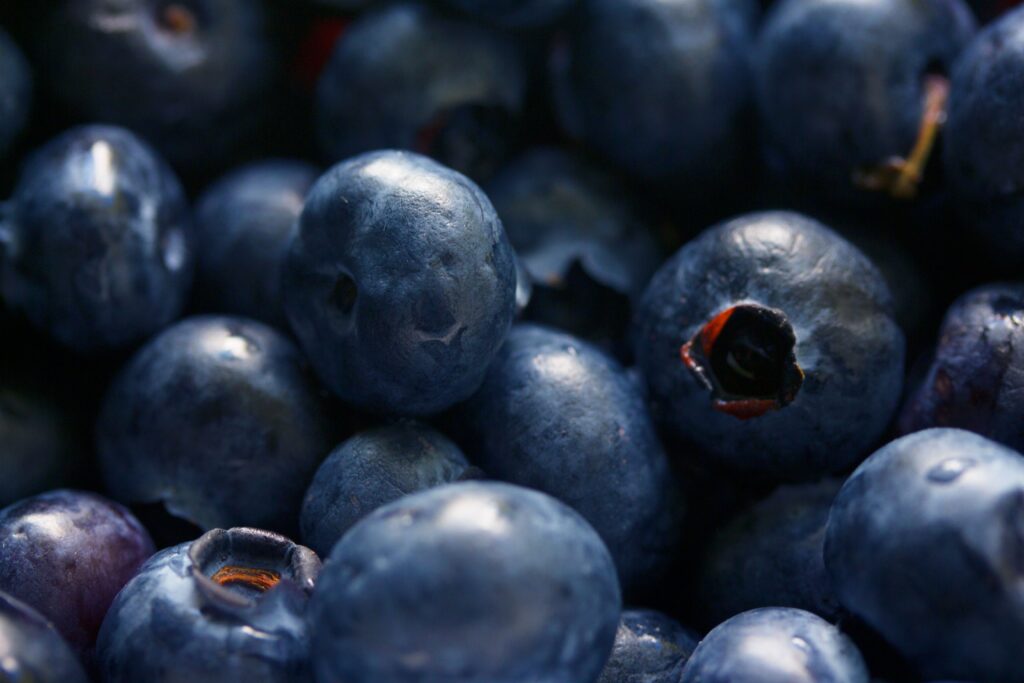
Benefits of Blueberries for Skin
Blueberries may help:
- Support collagen production
- Protect against free radical damage
- Promote skin repair
- Reduce signs of premature aging
- Improve overall skin health
Common Mistake
A mistake many people make is relying solely on topical antioxidants.
While antioxidant serums can be helpful, eating antioxidant-rich foods allows your body to support skin health from the inside out.
Adding a handful of blueberries to your breakfast each morning is one of the simplest healthy skin habits you can adopt.
3. Salmon: Omega-3 Fatty Acids for Soft, Healthy Skin
If your skin often feels dry, irritated, or inflamed, salmon may become one of your best dietary allies.
Salmon contains omega-3 fatty acids, which play a critical role in maintaining healthy skin cell membranes. These healthy fats help support hydration and reduce inflammation.
Inflammation is involved in many common skin concerns, including acne, redness, and sensitivity. While food alone is not a cure, consuming anti-inflammatory foods can support overall skin health.
One of the reasons people who regularly consume fatty fish often have healthier-looking skin is because omega-3 fats help maintain the skin barrier.
A strong skin barrier is essential for glowing skin. When the barrier becomes compromised, moisture escapes more easily, leading to dryness, irritation, and dullness.
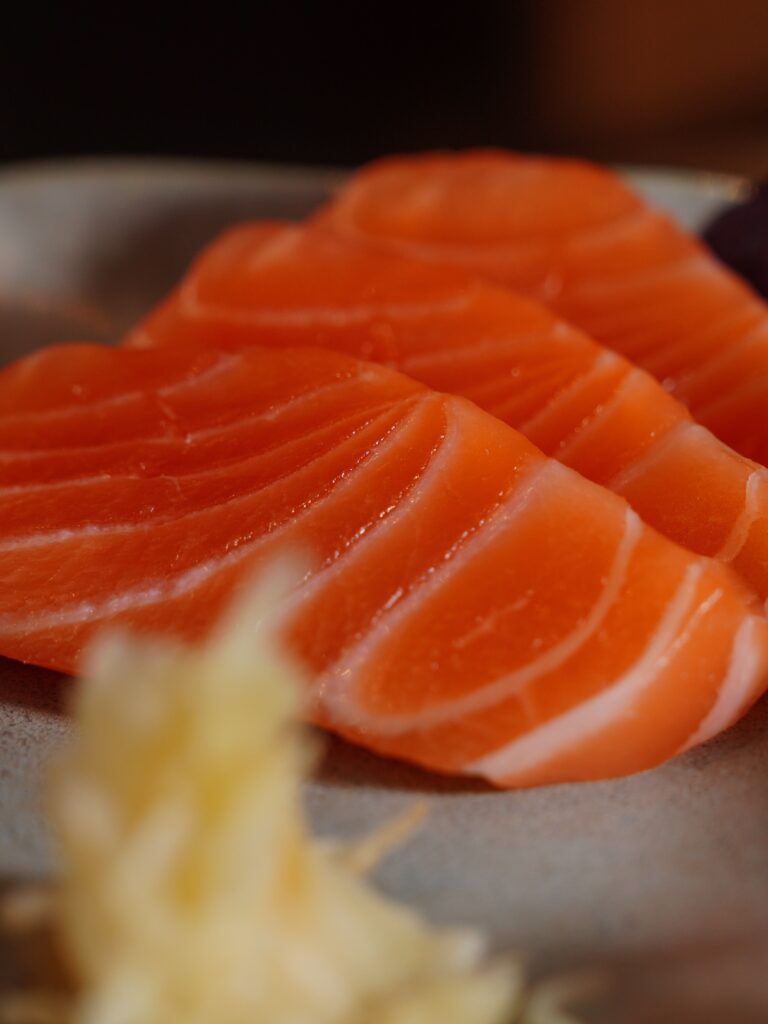
Benefits of Salmon for Skin
Salmon may help:
- Reduce inflammation
- Support hydration
- Promote smoother skin
- Improve skin barrier function
- Support healthy aging
How Often Should You Eat Salmon?
Most nutrition experts recommend consuming fatty fish two to three times per week.
If salmon isn’t available, sardines, mackerel, and herring provide similar benefits.
4. Walnuts: Nature’s Anti-Aging Snack
Walnuts are one of the few plant foods that provide a good balance of omega-3 fatty acids, zinc, vitamin E, and antioxidants.
Zinc plays an important role in skin repair and wound healing. It also supports the skin’s ability to fight bacteria that may contribute to acne.
A small handful of walnuts makes an excellent snack and can easily be added to oatmeal, salads, or yogurt.

Benefits of Walnuts for Skin
- Support skin repair
- Help maintain skin elasticity
- Provide antioxidants
- Support healthy skin aging
- Help strengthen the skin barrier
5. Sweet Potatoes: The Natural Glow Food
Sweet potatoes are rich in beta-carotene, which the body converts into vitamin A.
Vitamin A plays an important role in skin cell turnover. Healthy skin cell turnover helps keep your complexion looking fresh and vibrant.
Beta-carotene also acts as a natural antioxidant, helping to protect the skin from environmental stressors.
Roasted sweet potatoes are delicious, affordable, and one of the easiest skin-friendly foods to add to your meals.

Benefits of Sweet Potatoes for Skin
- Promote healthy skin renewal
- Support an even complexion
- Help protect against environmental damage
- Contribute to a natural glow
- Support overall skin health
6. Spinach: A Nutrient Powerhouse for Clear Skin
Your mother was right about eating your greens.
Spinach contains vitamins A, C, E, and K, along with iron and folate. These nutrients help nourish the skin from within and support healthy cell function.
Vitamin C is especially important because it helps your body produce collagen, the protein responsible for keeping skin firm and youthful.
Whether you add spinach to salads, soups, smoothies, or stir-fries, your skin will appreciate it.
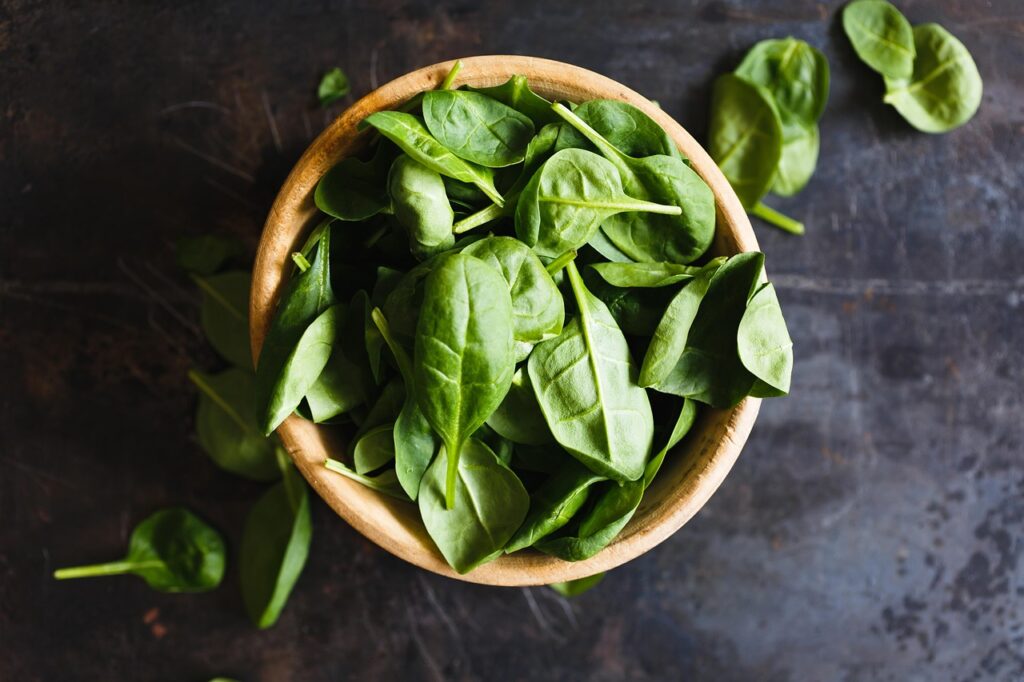
Benefits of Spinach for Skin
- Supports collagen production
- Helps improve skin repair
- Provides antioxidant protection
- Supports healthy circulation
- Promotes clearer-looking skin
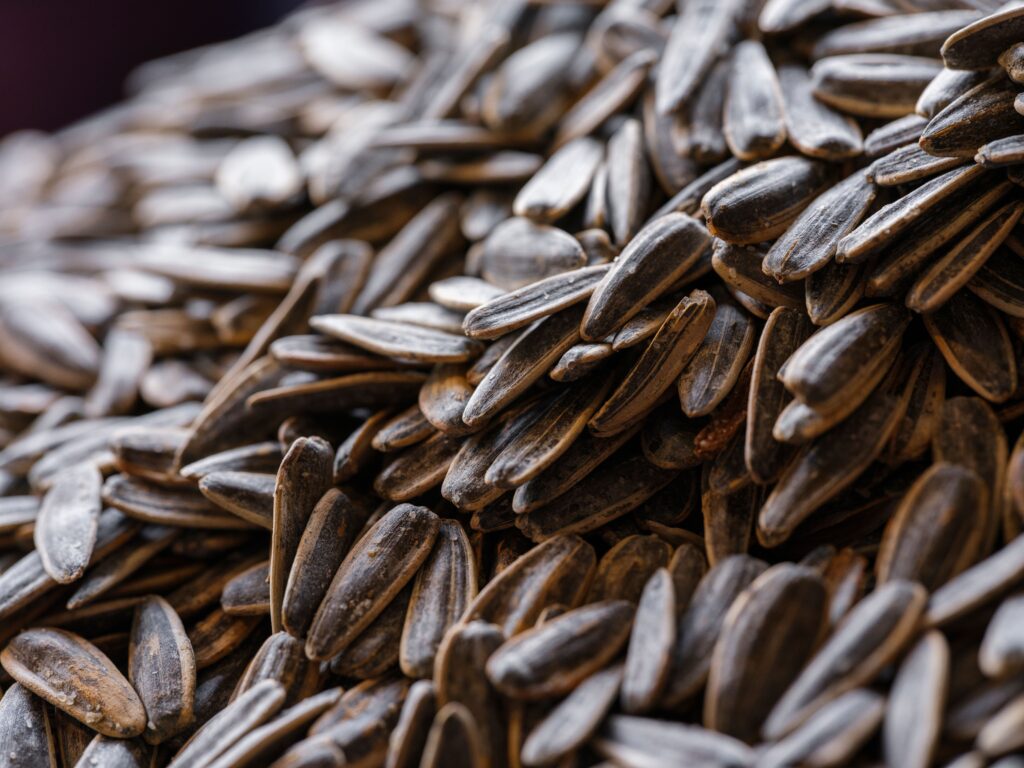
7. Sunflower Seeds: Small but Mighty
Sunflower seeds may be tiny, but they contain an impressive amount of skin-loving nutrients.
They’re rich in vitamin E, selenium, and zinc. These nutrients help protect the skin from damage, support healing, and contribute to a healthier complexion.
They’re also easy to add to your diet. Sprinkle them over salads, oatmeal, yogurt, or enjoy them as a snack.
Benefits of Sunflower Seeds for Skin
- Support skin healing
- Provide antioxidant protection
- Help maintain healthy skin cells
- Support collagen production
- Promote smoother skin
Lifestyle Habits That Help Your Skin Glow
Eating healthy foods is important, but it works best when combined with healthy habits.
Drink Enough Water
Even mild dehydration can make your skin appear dull and tired. Drinking water throughout the day helps support overall skin health.
Get Quality Sleep
Your skin repairs itself while you sleep. Consistently getting enough rest can improve your complexion and reduce signs of fatigue.
Manage Stress
Stress affects your entire body, including your skin. Chronic stress can contribute to breakouts, inflammation, and dullness.
Wear Sunscreen Daily
No matter how healthy your diet is, unprotected sun exposure can damage your skin. Daily sunscreen use is one of the most effective ways to protect your complexion.
Final Thoughts
Healthy, glowing skin is not created by one miracle food or one miracle product. It is the result of consistent habits that nourish your body from the inside out.
Adding foods like avocados, blueberries, salmon, walnuts, sweet potatoes, spinach, and sunflower seeds to your diet can provide your skin with nutrients that support hydration, repair, and protection.
Start with one or two of these foods this week and build from there. Your skin won’t change overnight, but over time, you’ll likely notice a healthier, brighter, and more radiant complexion.