
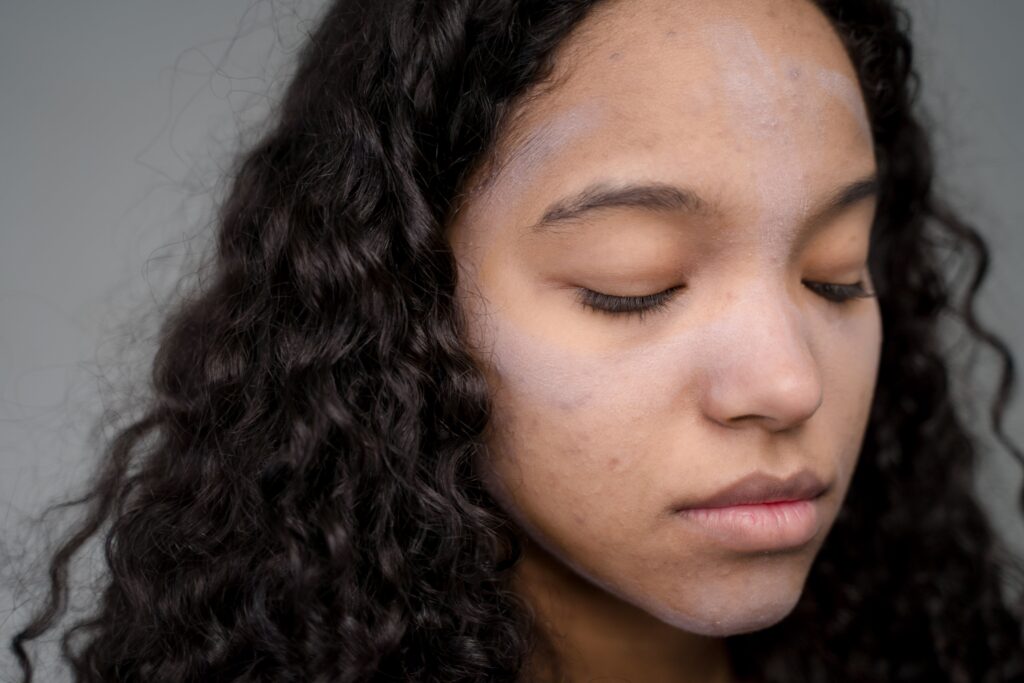
Hyperpigmentation is one of the most common skin concerns, yet it can be one of the most frustrating to treat. Whether it’s the dark spot left behind after a stubborn pimple, patches of melasma during pregnancy, or sun spots that seem to appear with age, uneven skin tone can affect anyone regardless of skin type or complexion.
Research shows that post-inflammatory hyperpigmentation is especially common in people with medium to dark skin tones because their skin naturally produces more melanin. While hyperpigmentation is usually harmless, many people look for safe and effective ways to achieve a more even complexion.
The good news is that you don’t always need aggressive treatments to improve your skin. Many natural ingredients contain compounds that support healthy skin renewal, calm inflammation, and help brighten the appearance of dark spots over time. The keyword is time. Natural remedies require patience and consistency, but when combined with a good skincare routine and daily sun protection, they can produce noticeable improvements.
In this guide, you’ll learn the best natural remedies for hyperpigmentation, what causes dark spots, which DIY treatments are worth trying, which popular remedies to avoid, and the daily habits that help keep your skin healthy and glowing.
What Is Hyperpigmentation?
Hyperpigmentation is a condition where certain areas of the skin become darker than the surrounding skin due to excess melanin production. Melanin is the natural pigment responsible for the color of your skin, eyes, and hair.
Unlike scars, which involve changes in the skin’s texture, hyperpigmentation mainly affects skin color. The skin usually remains smooth but develops brown, black, or gray patches.
The most common types include:
- Post-inflammatory hyperpigmentation (PIH): Dark marks left behind after acne, eczema, burns, insect bites, or skin injuries.
- Melasma: Brown patches commonly triggered by hormonal changes during pregnancy or while taking hormonal contraceptives.
- Sun spots (age spots): Dark patches caused by years of sun exposure.
The good news is that many forms of hyperpigmentation gradually fade with proper care.
What Causes Hyperpigmentation?
Understanding the cause helps you choose the right treatment.
Acne is one of the leading causes. When inflammation damages the skin, excess melanin is produced during healing, leaving dark marks behind.
Sun exposure is another major culprit. Ultraviolet (UV) rays stimulate melanin production, making existing dark spots darker and creating new ones.
Hormonal changes, especially during pregnancy, can trigger melasma. Picking pimples, scratching insect bites, burns, certain medications, and aging can also contribute to skin discoloration.
One mistake many people make is treating every dark spot the same way. Knowing the cause makes it easier to manage expectations and choose appropriate treatments.
Can Natural Remedies Really Fade Hyperpigmentation?
Yes, but they work gradually.
Natural remedies are most effective for mild post-inflammatory hyperpigmentation and early discoloration. They generally work by supporting gentle skin renewal, reducing inflammation, improving hydration, and protecting the skin from further damage.
However, deep melasma or long-standing pigmentation often requires evaluation by a dermatologist. Prescription creams, chemical peels, or laser treatments may be necessary in those cases.
If you choose natural treatments, consistency matters far more than using many different products.
10 Best Natural Remedies for Hyperpigmentation
1. Aloe Vera
Aloe vera is one of the most trusted natural skincare ingredients for calming irritated skin. It contains compounds such as aloin, which has been studied for its potential skin-brightening effects.
Fresh aloe vera gel provides hydration while soothing inflammation that may contribute to post-inflammatory hyperpigmentation. Apply pure aloe vera gel to clean skin once or twice daily and leave it on.
2. Turmeric
Turmeric has been used for centuries in traditional skincare. Its active compound, curcumin, has antioxidant and anti-inflammatory properties that may help improve uneven skin tone.
Mix one teaspoon of turmeric with plain yogurt or raw honey to create a simple face mask. Leave it on for about 10 minutes before rinsing thoroughly.
Avoid using excessive amounts because turmeric can temporarily stain light-colored towels and skin.
3. Raw Honey
Raw honey is more than a natural moisturizer. It supports the skin barrier, attracts moisture, and may help the skin recover after inflammation.
Apply a thin layer to clean skin for 15 to 20 minutes before rinsing with lukewarm water. With regular use, your skin may feel softer and healthier, making dark spots appear less noticeable over time.
4. Licorice Root Extract
Licorice root is one of the most researched natural ingredients for skin brightening. It contains glabridin, a compound that helps reduce excess melanin production.
Many natural skincare products include licorice root extract because it can improve the appearance of uneven skin tone without being overly harsh.
5. Green Tea
Green tea is rich in antioxidants called catechins. These compounds help protect skin cells from environmental damage and calm inflammation.
After brewing green tea, allow it to cool and use it as a facial toner or compress. It feels refreshing and fits easily into a natural skincare routine.
6. Rosehip Oil
Rosehip oil contains essential fatty acids and provitamin A compounds that support healthy skin renewal.
Massage two or three drops into slightly damp skin each evening after cleansing. It absorbs well and pairs nicely with a moisturizer.
7. Yogurt
Plain yogurt contains lactic acid, a gentle alpha hydroxy acid that helps loosen dead skin cells.
A simple yogurt mask used once or twice weekly can improve skin texture and contribute to a brighter complexion without aggressive exfoliation.
8. Papaya
Papaya contains papain, a natural enzyme that gently exfoliates the skin.
Mash ripe papaya into a smooth paste, apply it for about 10 minutes, then rinse thoroughly. This can leave the skin looking smoother and more refreshed.
9. Oatmeal
If your skin is sensitive, oatmeal is an excellent choice.
Ground oatmeal gently exfoliates while soothing irritation. Mix finely ground oats with plain yogurt or honey to create a calming face mask suitable for most skin types.
10. Vitamin C-Rich Foods
Healthy skin starts from within.
Foods like oranges, strawberries, guava, kiwi, bell peppers, and broccoli provide vitamin C, which supports collagen production and helps protect skin cells from oxidative stress.
While eating these foods won’t erase dark spots overnight, they support overall skin health and complement your skincare routine.
Natural Ingredients You Should Use With Caution
Not every DIY remedy you see online is safe.
Lemon juice is highly acidic and may irritate the skin or increase sensitivity to sunlight. Baking soda disrupts the skin’s natural pH. Undiluted apple cider vinegar can cause burns, while toothpaste is not designed for facial skin and may worsen irritation.
Just because an ingredient is natural doesn’t automatically make it safe.
Daily Skincare Routine for Hyperpigmentation
Morning Routine
Start with a gentle cleanser to remove excess oil without stripping your skin.
Apply a brightening serum or moisturizer containing ingredients suited to your skin type, then finish with a broad-spectrum sunscreen of SPF 30 or higher. Sunscreen is one of the most important steps because UV exposure can make dark spots darker.
Evening Routine
Cleanse your skin thoroughly to remove sunscreen, makeup, and dirt.
Apply your chosen natural treatment, such as aloe vera gel or rosehip oil, then lock in moisture with a gentle moisturizer. Exfoliate only once or twice each week using a mild product.
Lifestyle Habits That Help Fade Hyperpigmentation Faster
Your daily habits affect your skin more than you may realize.
Wear sunscreen every day, even when it’s cloudy. Avoid picking pimples because every injury increases the risk of post-inflammatory hyperpigmentation. Drink enough water, eat antioxidant-rich foods, and get enough sleep so your skin has the nutrients and rest it needs to repair itself.
Stress management also matters. Chronic stress can worsen acne, which often leads to new dark spots.
Common Mistakes That Make Hyperpigmentation Worse
One of the biggest mistakes people make is expecting results within a few days. Hyperpigmentation fades slowly, and changing products every week usually delays progress.
Other common mistakes include skipping sunscreen, over-exfoliating, mixing too many active ingredients, using harsh DIY treatments, and scratching healing skin.
Keeping your routine simple often produces better long-term results than constantly chasing the latest skincare trend.
When Should You See a Dermatologist?
Natural remedies are not suitable for every situation.
See a dermatologist if your pigmentation changes rapidly, develops unusual borders, becomes painful, or continues spreading. Professional care is also recommended for severe melasma or dark spots that do not improve after several months of consistent treatment.
Conclusion
Hyperpigmentation takes time to develop, and it takes time to fade. While natural remedies cannot produce instant results, ingredients such as aloe vera, turmeric, licorice root, green tea, rosehip oil, yogurt, papaya, oatmeal, and raw honey can support healthier, more even-looking skin when used consistently.
Combine these remedies with daily sunscreen, gentle skincare, and healthy lifestyle habits for the best results. Start with one or two treatments rather than trying everything at once, and give your skin time to respond.
Frequently Asked Questions
1. What is the fastest natural remedy for hyperpigmentation?
There is no instant solution. Aloe vera, licorice root extract, and turmeric are among the most commonly used natural ingredients, but they require consistent use over several weeks.
2. Can hyperpigmentation disappear naturally?
Yes. Some post-inflammatory hyperpigmentation fades gradually, although sunscreen and a consistent skincare routine can help speed up improvement.
3. Is aloe vera good for dark spots?
Aloe vera may help improve the appearance of mild hyperpigmentation while calming irritated skin.
4. Does sunscreen really help hyperpigmentation?
Yes. Sunscreen prevents existing dark spots from becoming darker and reduces the risk of developing new pigmentation.
5. How long does it take to fade hyperpigmentation naturally?
Most people need several weeks to a few months of consistent care before noticing visible improvement. The timeline depends on the cause and depth of the pigmentation.