
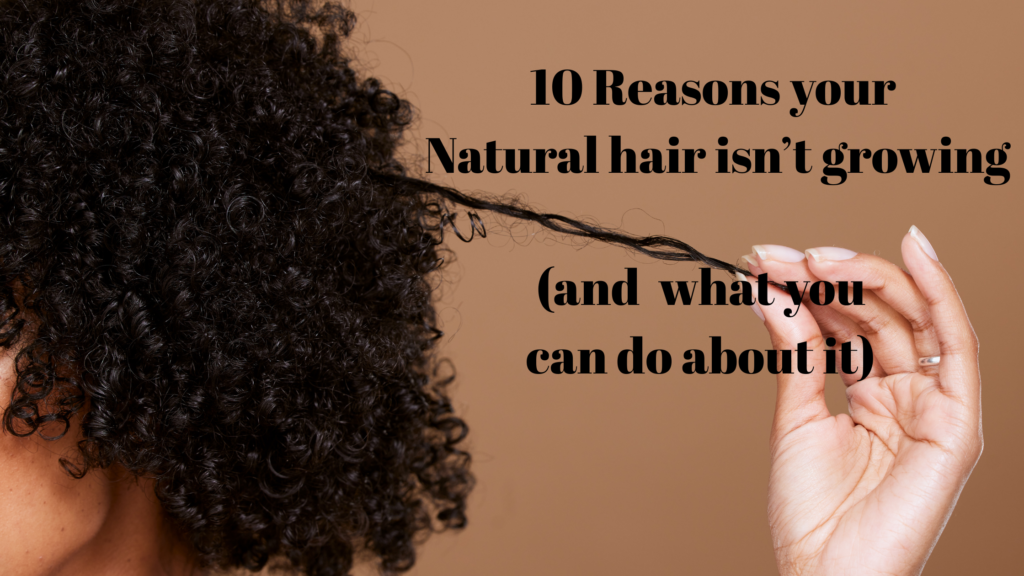
Have you ever looked at your natural hair after months of washing, moisturizing, and trying every trending hair oil, only to think, “Why isn’t my natural hair growing?” If so, you’re definitely not alone.
Here’s something many people don’t realize: the average person’s hair grows about half an inch every month, which adds up to roughly six inches each year. So if your hair seems stuck at the same length, it usually isn’t because your hair has stopped growing. More often than not, your hair is growing just fine—you’re not retaining the length because of breakage, dryness, or unhealthy hair care habits.
I remember a friend who complained that her hair hadn’t grown in three years. She spent money on expensive products, followed every viral DIY hair treatment, and switched routines almost every month. When she finally visited a hairstylist, the problem wasn’t slow hair growth at all. Her ends were badly split, her hair was dehydrated, and constant heat styling was causing breakage. Once she focused on healthy hair habits instead of miracle products, she finally started seeing progress.
If you’ve been wondering how to grow natural hair faster, this guide will explain the real reasons your hair seems stuck and the simple changes that can help you retain every inch your hair grows.
Is Your Natural Hair Really Not Growing?
Before blaming your genetics, it’s important to understand the difference between hair growth and length retention.
Hair grows from the follicles beneath your scalp through a natural hair growth cycle consisting of the growth, resting, and shedding phases. Unless there’s an underlying medical condition, your hair continues growing regardless of whether you notice it.
The real challenge is retaining that growth. If your ends break off at the same rate your roots produce new hair, your length never changes. That’s why focusing on healthy, natural hair, reducing hair breakage, and maintaining a healthy scalp are far more effective than chasing miracle oils.
1. Your Hair Is Breaking Faster Than It’s Growing
Breakage is the number one reason many people believe their natural hair isn’t growing.
Hair breakage often happens because the hair shaft becomes weak. Rough detangling, excessive brushing, tight hairstyles, and neglecting split ends all contribute to fragile hair.
One mistake people make is combing dry, tangled hair from the roots down. This creates unnecessary tension and snaps healthy strands. Instead, always detangle damp hair with a conditioner, working gently from the ends upward.
Reducing breakage is one of the fastest ways to improve length retention and achieve long, natural hair.
2. Your Hair Is Too Dry
Moisture is essential for healthy natural hair. Dry hair loses elasticity, making it much easier to snap during everyday styling.
Many people assume applying oil alone moisturizes hair. In reality, oils mainly help seal moisture into the hair shaft. They don’t replace water.
Start with water or a water-based leave-in conditioner, then use natural oils like coconut oil, avocado oil, or jojoba oil to lock in hydration. Regular deep conditioning also helps improve hair elasticity and reduces breakage.
If your curls constantly feel rough, crunchy, or difficult to comb, dryness is probably slowing your healthy hair journey.
3. You’re Using Too Much Heat
Flat irons and blow dryers aren’t the enemy, but excessive heat certainly can be.
Frequent heat styling weakens the protective outer layer of your hair. Over time, the strands become brittle, resulting in breakage and thinning.
If you enjoy sleek styles occasionally, always apply a heat protectant and keep the temperature as low as possible. Better yet, embrace low-manipulation hairstyles that allow your natural curls or coils to thrive.
Healthy hair doesn’t require perfectly straight strands every week.
4. Your Scalp Isn’t Healthy
Healthy hair begins with a healthy scalp.
Think of your scalp like soil in a garden. Even the strongest seed struggles to grow in unhealthy soil. Product buildup, dandruff, excessive oil, and inflammation can interfere with optimal hair growth.
Regular cleansing, gentle scalp massage, and proper scalp care help maintain a healthy environment for your follicles. Ingredients like aloe vera for hair and diluted rosemary oil for hair are popular natural options that help soothe the scalp and improve circulation.
5. You’re Not Trimming Split Ends
Many people avoid trims because they’re afraid of losing length.
Ironically, refusing to trim damaged ends often leads to more breakage. Split ends continue traveling up the hair shaft, causing greater damage over time.
Trimming doesn’t make hair grow faster. Hair grows from the scalp, not the ends. However, removing damaged ends helps preserve healthy strands and improves hair retention.
6. Protective Styles Are Causing Damage
Protective styles should protect your hair, not damage it.
Braids, twists, wigs, and cornrows can encourage hair growth retention, but only when installed correctly. Styles that are too tight increase the risk of traction alopecia, a form of hair loss caused by constant pulling on the follicles.
If your scalp hurts after getting your hair done, that’s a sign the style is too tight. Protective hairstyles should never be painful.
7. You’re Manipulating Your Hair Too Often
Sometimes the best thing you can do is leave your hair alone.
Constant styling, brushing, combing, and touching increase friction and weaken the hair shaft. That’s why low-manipulation hairstyles have become so popular among people with type 4 hair and coily hair.
Simple buns, twists, or loose braids allow your hair to rest while minimizing breakage.
8. Your Diet Is Affecting Hair Growth
Healthy hair is built from the nutrients you eat.
Hair consists mainly of protein, so inadequate protein intake may contribute to weaker strands. Iron, zinc, vitamin D, biotin, and omega-3 fatty acids also play important roles in maintaining healthy hair.
Focus on hair growth foods like eggs, beans, salmon, leafy vegetables, berries, nuts, seeds, sweet potatoes, and avocados. Staying hydrated also supports overall hair health.
Supplements aren’t always necessary. In most cases, a balanced diet provides the nutrients your body needs.
9. Stress and Poor Sleep Are Slowing Progress
Stress affects more than your mood.
Long-term stress may push more hair follicles into the shedding phase, resulting in increased hair shedding and temporary hair thinning. Lack of sleep also limits your body’s ability to repair tissues, including your hair follicles.
Managing stress through exercise, prayer, meditation, or relaxing hobbies may benefit your overall wellness and your hair.
Sometimes slowing down is part of growing healthier hair.
10. You’re Expecting Overnight Results
Let’s be honest. Social media has made many people believe they can grow waist-length hair in a month.
That’s simply unrealistic.
Healthy hair growth naturally takes patience. Instead of measuring your hair every week, take monthly photos under similar lighting. You’ll often notice gradual improvements that aren’t obvious day to day.
Consistency beats perfection every single time.
Natural Ingredients That Support Healthy Hair Growth
Natural ingredients work best when combined with a consistent natural hair care routine.
Some of the most popular options include:
- Castor oil for hair to reduce moisture loss.
- Rosemary oil for hair when properly diluted for scalp massages.
- Aloe vera for hair to soothe an irritated scalp.
- Rice water for hair as an occasional strengthening rinse.
- Fenugreek for hair in homemade masks.
- Hibiscus for hair to support softer strands.
- Shea butter for sealing moisture.
- Coconut oil for hair to reduce protein loss.
Remember, these ingredients support healthy hair care. None of them can override poor habits.
Daily Hair Care Routine for Healthy Hair Growth
A simple routine usually works better than an overly complicated one.
During the day, keep your hair moisturized, avoid unnecessary manipulation, and choose protective styling when appropriate.
At night, wear a satin bonnet or sleep on a satin pillowcase to reduce friction. If your ends feel dry, apply a small amount of leave-in conditioner followed by a lightweight oil.
Simple routines are easier to maintain, and consistency is what produces results.
Common Mistakes That Stop Natural Hair Growth
Many people unknowingly sabotage their own progress.
Common mistakes include skipping deep conditioning, ignoring split ends, using excessive heat, trying every trending DIY hair treatment, applying too many natural hair products, neglecting scalp care, and failing to protect hair while sleeping.
Healthy hair grows best when you avoid unnecessary stress on your strands.
When Should You See a Dermatologist?
If you experience sudden bald patches, severe scalp pain, persistent dandruff, excessive hair shedding, or hair thinning that doesn’t improve, consult a dermatologist.
Sometimes slow hair growth is linked to medical conditions such as iron deficiency, thyroid disorders, hormonal changes, or certain forms of alopecia. Early diagnosis makes treatment much more effective.
Conclusion
Growing long, healthy natural hair isn’t about finding one miracle product. It’s about protecting the hair your scalp already produces.
By reducing breakage, maintaining moisture, caring for your scalp, eating nutritious foods, limiting heat, and staying consistent with your natural hair routine, you’ll improve length retention and create the ideal environment for stronger, healthier hair.
Remember, your hair is growing—even if you can’t always see it. Treat it with patience, consistency, and care, and you’ll be surprised how much progress you can make over time.
Frequently Asked Questions
Why isn’t my natural hair growing?
In most cases, your hair is growing normally, but breakage prevents you from seeing increased length.
What oil helps natural hair grow faster?
No oil directly speeds up hair growth, but rosemary oil, castor oil, and coconut oil can support a healthy scalp and reduce breakage.
How often should I deep condition my natural hair?
Most people benefit from deep conditioning once a week or every two weeks, depending on their hair’s moisture needs.
Can protective hairstyles help hair grow?
Yes. Properly installed protective hairstyles reduce manipulation and help retain length, provided they aren’t too tight.
How long does it take to notice hair growth?
Hair grows about half an inch each month. With consistent care and reduced breakage, many people notice visible progress within three to six months.