
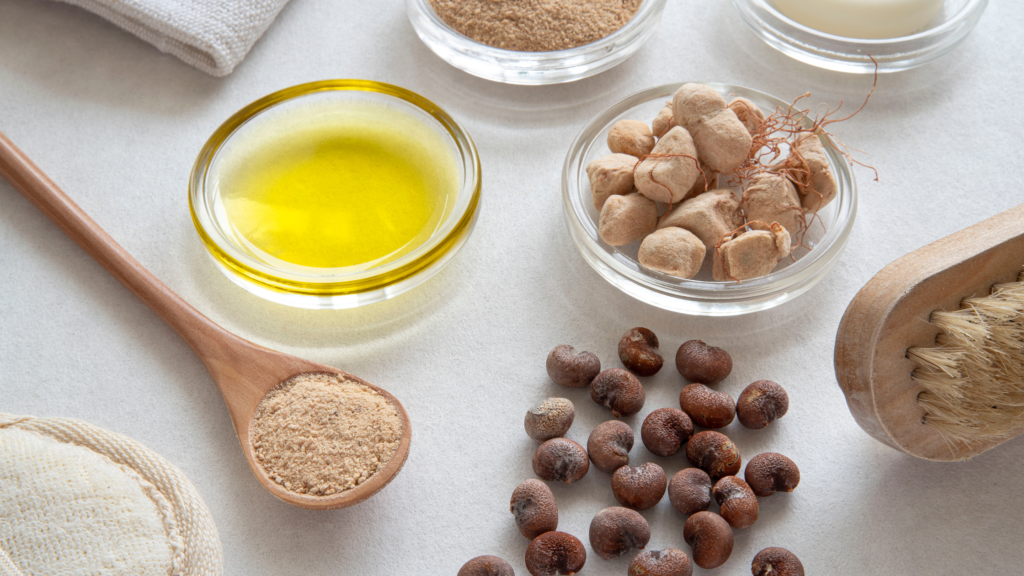
When people talk about African beauty secrets, shea butter often steals the spotlight. But tucked away in the majestic “Tree of Life” is another skincare treasure that deserves just as much attention—baobab oil. Extracted from the seeds of the iconic baobab tree (Adansonia digitata), this golden, nutrient-rich oil has been used for centuries across many African communities to nourish, protect, and restore the skin.
Today, baobab oil has become one of the most sought-after African oils for healthy skin, and for good reason. Rich in essential fatty acids, antioxidants, and vitamins, it deeply moisturizes the skin without leaving behind a heavy, greasy feeling. Whether you’re dealing with dry patches, a weakened skin barrier, stretch marks, or dull skin, baobab oil offers a natural solution rooted in generations of traditional African skincare.
What Makes Baobab Oil So Special?
Baobab trees can live for over a thousand years and thrive in some of Africa’s harshest climates. Their remarkable ability to store water and survive long periods of drought has earned them the nickname “The Tree of Life.” Interestingly, the oil extracted from their seeds reflects many of those same resilient qualities. It helps the skin retain moisture, recover from damage, and remain soft even in dry environmental conditions.

Cold-pressed baobab oil contains an impressive blend of skin-loving nutrients, including:
- Omega-3, Omega-6, and Omega-9 essential fatty acids
- Vitamins A, D, E, and F
- Powerful antioxidants
- Sterols that help soothe inflammation
- Polyphenols that protect the skin from environmental stress
These nutrients work together to nourish the skin deeply, making baobab oil one of the most effective natural moisturizers available. Unlike some heavier oils that simply coat the surface, baobab oil penetrates the skin to provide lasting hydration while supporting the skin’s natural repair processes.
Deep Hydration Without Feeling Heavy
One of the biggest misconceptions about facial oils is that they automatically make the skin greasy. Honestly, that’s not always true.
Baobab oil has a lightweight texture that absorbs surprisingly well into the skin. Once applied, it leaves the skin feeling soft, supple, and comfortable rather than oily. This makes it an excellent option for people who want intense hydration without the sticky finish often associated with heavier products.
Its high concentration of essential fatty acids helps replenish moisture lost through harsh weather, frequent cleansing, air conditioning, or sun exposure. These fatty acids also strengthen the skin’s protective barrier, reducing transepidermal water loss and helping the skin stay hydrated for longer.
If your skin constantly feels tight after washing your face, baobab oil may be exactly what it needs.
Supports Skin Barrier Repair
Your skin barrier acts like a shield. It keeps moisture in while protecting your skin from pollution, bacteria, allergens, and irritants. Unfortunately, harsh cleansers, over-exfoliation, excessive use of active ingredients, and environmental stress can weaken this barrier.
A damaged skin barrier often shows up as:
- Persistent dryness
- Redness
- Flaking
- Increased sensitivity
- Rough texture
- Irritation after applying skincare products
Baobab oil is particularly valuable because it contains fatty acids that help replenish the skin’s natural lipids. As these lipids are restored, the skin barrier becomes stronger, healthier, and more resilient.
Think of your skin barrier like the roof of a house. When there are holes in the roof, rain finds its way inside. Repair the roof, and suddenly everything underneath stays protected. In the same way, restoring your skin barrier helps your skin hold onto moisture and defend itself against everyday stressors.
Excellent for Dry and Dehydrated Skin
If you have naturally dry skin, baobab oil deserves a permanent spot in your skincare routine.
Dry skin lacks oil, while dehydrated skin lacks water. Interestingly, baobab oil can help with both. Its nourishing fatty acids soften rough areas, while its emollient properties help lock in moisture after cleansing.
Many people notice improvements in:
- Rough elbows
- Dry knees
- Cracked heels
- Flaky cheeks
- Chapped hands
- Dry neck
- Ashy skin during the dry season
This is especially beneficial for people living in regions with low humidity or during the Harmattan season in West Africa, when the air becomes exceptionally dry and the skin loses moisture quickly.
Helps Improve Skin Texture
Healthy skin isn’t just about hydration—it’s also about texture.
Over time, environmental damage, aging, dehydration, and poor skincare habits can leave the skin feeling rough or uneven. Baobab oil helps improve skin texture by nourishing the outer layers of the skin and supporting its natural renewal process.
While it won’t transform your skin overnight, consistent use can gradually make the skin feel smoother, softer, and more resilient. Many people notice that makeup also applies more evenly after incorporating baobab oil into their routine because the skin becomes better hydrated.
As with most natural skincare ingredients, patience is key. Small, consistent improvements often lead to long-lasting results.
Rich in Antioxidants That Defend the Skin
Every day, our skin is exposed to environmental stressors like pollution, ultraviolet rays, cigarette smoke, and free radicals. Over time, these factors contribute to premature aging, uneven skin tone, and a dull complexion.
Baobab oil contains antioxidants such as vitamin E and polyphenols that help neutralize free radicals before they cause extensive damage. While antioxidants can’t stop aging entirely, they play an important role in supporting healthy skin and reducing oxidative stress.
Think of antioxidants as tiny bodyguards working behind the scenes to protect your skin cells from daily wear and tear.
May Help Improve the Appearance of Stretch Marks and Scars
Stretch marks are incredibly common. Pregnancy, rapid weight changes, puberty, and muscle growth can all contribute to their appearance.
Although no natural oil can completely erase stretch marks, baobab oil may help improve the skin’s elasticity and keep it well moisturized, making stretch marks appear softer and less noticeable over time.
Many expectant and new mothers enjoy using baobab oil as part of their body care routine because it leaves the skin feeling supple and comfortable.
Likewise, people with healed scars often use baobab oil to keep the surrounding skin nourished and healthy. It’s important to remember, however, that natural oils work best on fully healed skin and should never be applied to open wounds.
Suitable for Sensitive Skin
People with sensitive skin are often hesitant to introduce new products into their routine—and understandably so.
One of baobab oil’s strengths is its gentle nature. Because it contains soothing plant compounds and is generally well tolerated, it may be suitable for those whose skin reacts easily to fragrances or harsh ingredients.
That said, “natural” doesn’t automatically mean allergy-free. Always perform a patch test before applying baobab oil to larger areas of your face or body.
How to Use Baobab Oil in Your Skincare Routine
Baobab oil is wonderfully versatile and can be used in several ways depending on your skin’s needs.
For your face, apply two to four drops after cleansing while your skin is still slightly damp. Gently press the oil into your skin rather than rubbing aggressively. This helps lock in moisture while minimizing unnecessary tugging.
For body care, massage baobab oil into damp skin immediately after bathing. Areas such as elbows, knees, heels, and hands tend to benefit the most.
You can also mix a few drops into your favorite moisturizer or body lotion for an extra hydration boost during colder months or dry weather.
Common Mistakes People Make When Using Baobab Oil
Even one of the best African beauty oils won’t deliver great results if it’s used incorrectly. Here are a few common mistakes to avoid:
Using too much product: More isn’t always better. Applying excessive amounts can leave the skin feeling heavy and may not improve results.
Applying it to completely dry skin: Oils work best when used to seal in existing moisture. Applying baobab oil to slightly damp skin enhances hydration.
Buying low-quality oils: Refined or heavily processed oils often contain fewer beneficial nutrients. Choose cold-pressed, unrefined baobab oil whenever possible.
Expecting overnight results: Healthy skin takes time. Consistent use over several weeks generally produces the best improvements.
Skipping sunscreen: While baobab oil helps support skin health, it does not replace sunscreen. Continue using a broad-spectrum sunscreen every day to protect your skin from UV damage.
Who Should Use Baobab Oil?
Baobab oil is suitable for many different skin types, particularly:
- People with dry or dehydrated skin
- Mature skin showing early signs of aging
- Sensitive skin needing gentle nourishment
- Anyone looking to strengthen their skin barrier
- Individuals with rough, flaky, or dull skin
- People seeking a lightweight natural moisturizer
- Those wanting to incorporate more African botanicals into their clean beauty routine
However, people with very oily or highly acne-prone skin should introduce any facial oil gradually to see how their skin responds.
Conclusion
Baobab oil is more than just another trending beauty ingredient—it’s a timeless gift from nature that has supported healthy skin for generations. Rich in essential fatty acids, vitamins, antioxidants, and deeply nourishing plant compounds, this remarkable African botanical oil offers long-lasting hydration while helping to strengthen the skin barrier and improve overall skin texture.
Whether your goal is to soothe dry skin, restore a healthy complexion, improve elasticity, or simply embrace a more natural skincare routine, baobab oil is a worthy addition to your beauty cabinet. Like most natural ingredients, consistency is key. You may not wake up with dramatically different skin after one application, but over time, regular use can help reveal softer, smoother, and healthier-looking skin.
The beauty of African skincare lies in its simplicity. Sometimes, the most effective solutions aren’t found in complicated formulas—they’re found in nature itself. Baobab oil is a perfect example of that. Treat your skin with patience, nourish it with high-quality cold-pressed oils, and let this extraordinary African beauty secret become part of your journey toward naturally radiant, healthy skin.