
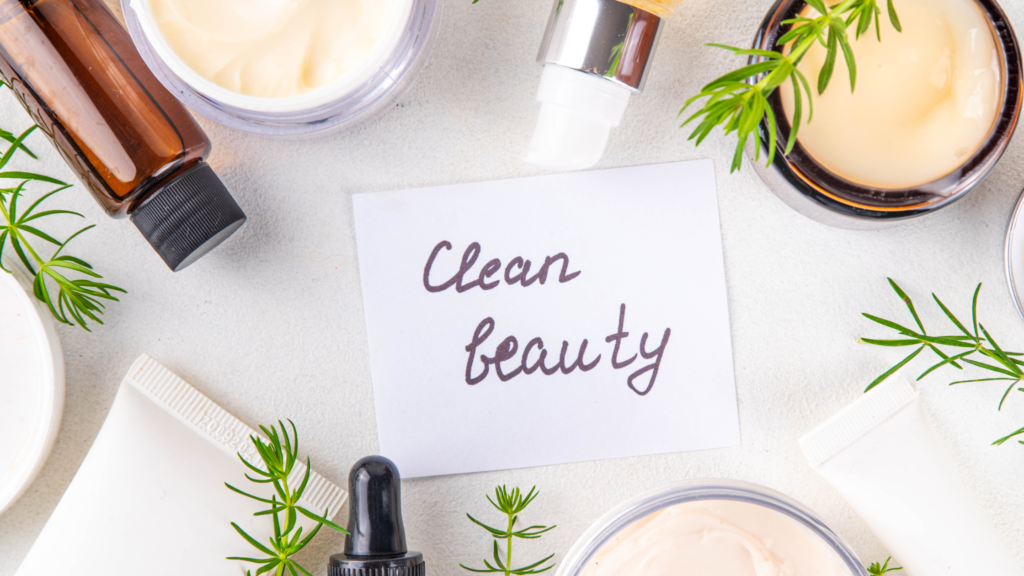
If you’ve been shopping for skincare lately, you’ve probably noticed the words clean beauty, natural skincare, and organic skincare everywhere. From cleansers and moisturizers to makeup and haircare products, brands proudly label themselves as “clean.” But here’s the big question: What is clean beauty, and does it really matter?
Over the past decade, the clean beauty movement has grown rapidly as more people have started paying closer attention to the ingredients they apply to their skin. Consumers are reading labels, avoiding certain chemicals, and looking for products that support healthy skin without unnecessary additives. It’s easy to see why. Your skin is your body’s largest organ, and many people want to make informed choices about what they use every day.
I remember standing in a beauty store, comparing two moisturizers that looked almost identical. One claimed to be “100% natural,” while the other described itself as a “clean beauty product.” I realized I didn’t actually know the difference. If you’ve ever felt the same way, don’t worry. This guide will explain what clean beauty really means, how it compares to natural and organic beauty, and how to build a clean skincare routine that works for your skin.
What Is Clean Beauty?
Clean beauty refers to skincare and cosmetic products made with ingredients that are considered safe for their intended use while avoiding ingredients many consumers or brands prefer to limit, such as certain parabens, phthalates, or harsh preservatives. Unlike what many advertisements suggest, there is no single global definition of clean beauty, and standards vary between brands.
The idea behind clean beauty is simple. Instead of relying only on marketing claims, consumers are encouraged to understand ingredient lists, choose products with transparent formulations, and select skincare that suits their individual needs.
It’s also important to know that clean beauty is not automatically chemical-free. Everything, including water, aloe vera, and shea butter, is made of chemicals. Clean beauty focuses on choosing ingredients that have an appropriate safety profile and are used responsibly in skincare products.
Clean Beauty vs Natural Beauty vs Organic Beauty
These terms are often used interchangeably, but they mean different things.
Natural skincare usually contains ingredients derived from plants, minerals, or other natural sources. However, natural doesn’t always mean safer or more effective. Poison ivy is natural too, but you wouldn’t rub it on your face.
Organic skincare refers to ingredients grown according to specific agricultural standards without many synthetic pesticides or fertilizers. Depending on the country, products may need certification before using the term “organic.”
Clean beauty, on the other hand, focuses on ingredient safety and transparency rather than whether ingredients come from nature or a laboratory.
Understanding these differences helps you avoid buying products based solely on attractive packaging or trendy marketing.
Why Are People Choosing Clean Beauty?
One reason is ingredient transparency. More consumers want to understand exactly what they’re putting on their skin instead of relying on vague promises.
Others switch to clean skincare because they have sensitive skin. Products formulated with gentle ingredients like aloe vera, chamomile, calendula, shea butter, or jojoba oil may be less irritating for some people, although everyone’s skin reacts differently.
Environmental awareness also plays a role. Many clean beauty brands use eco-friendly skincare packaging, support ethical beauty practices, offer cruelty-free beauty products, or develop plant-based skincare formulas with sustainability in mind.
Ingredients Often Avoided in Clean Beauty Products
Many clean skincare brands choose to formulate without ingredients such as parabens, phthalates, certain sulfates, formaldehyde-releasing preservatives, and heavy artificial fragrances.
That doesn’t automatically mean every ingredient on this list is unsafe in every situation. Safety depends on the ingredient itself, how it’s formulated, and the amount used. This is why it’s important to rely on evidence rather than fear-based marketing.
Instead of worrying about long ingredient names, focus on buying products from reputable companies that clearly explain their formulations.
Ingredients Commonly Found in Clean Beauty Products
Many clean skincare products contain nourishing ingredients that support a healthy skin barrier.
Popular examples include aloe vera for hydration, shea butter and cocoa butter for deep moisture, jojoba oil for balancing the skin, rosehip oil for nourishing mature skin, green tea extract for antioxidant protection, vitamin E for skin conditioning, and hyaluronic acid for hydration.
You’ll also find botanical extracts, plant-based skincare oils, and natural moisturizers that help keep skin soft without feeling heavy.
Benefits of Clean Beauty Products
The biggest advantage of clean beauty is encouraging people to become informed consumers.
Many clean cosmetics and clean makeup products prioritize gentle formulations that support the healthy skin barrier. This can be especially helpful for people with dry or sensitive skin care needs.
Clean beauty also encourages better ingredient transparency, making it easier to understand what you’re applying to your face. While no skincare product is perfect, reading labels and choosing products thoughtfully can help you build a routine that works for your skin.
Common Myths About Clean Beauty
One of the biggest myths is that natural beauty products are always safe. In reality, some essential oils and plant extracts can trigger allergic reactions.
Another misconception is that all synthetic ingredients are harmful. Many laboratory-created ingredients are carefully tested and play important roles in keeping skincare stable, effective, and safe.
Some people also believe expensive products are automatically cleaner. That’s simply not true. A reasonably priced moisturizer with well-chosen ingredients can perform just as well as a luxury product.
How to Read Skincare Ingredient Labels
Learning to read ingredient labels is one of the smartest skincare habits you can develop.
Ingredients are generally listed in descending order by concentration. This means the first few ingredients usually make up most of the product.
Become familiar with INCI names, which are standardized ingredient names used worldwide. Don’t panic when you see long scientific names. Many natural ingredients also have botanical Latin names that look intimidating but are completely normal.
Always check expiration dates, perform patch testing when trying new products, and pay attention to how your skin responds instead of relying solely on online reviews.
How to Build a Clean Beauty Routine
A simple routine is often the most effective.
In the morning, cleanse your face with a gentle cleanser, apply a hydrating serum if needed, use a moisturizer that supports your skin barrier, and finish with sunscreen. Daily sunscreen remains one of the most important steps in any skincare routine, regardless of whether your products are natural or synthetic.
In the evening, remove makeup thoroughly, cleanse again, apply any treatment products, moisturize, and exfoliate gently once or twice each week if your skin tolerates it.
Is Clean Beauty Worth It?
For many people, yes.
If you value ingredient transparency, enjoy botanical skincare, or have sensitive skin, switching to cleaner formulations may be worthwhile. However, don’t feel pressured to replace every product overnight.
The goal isn’t perfection. It’s making informed choices based on your skin’s needs instead of marketing trends.
Common Mistakes Beginners Make
One mistake people make is throwing away their entire skincare routine after watching one social media video. If your current products work well, there’s rarely a need to replace everything immediately.
Another mistake is believing “chemical-free skincare” exists. Everything contains chemicals, including water and natural oils. Instead of fearing chemicals, focus on understanding ingredients and choosing products backed by good formulation practices.
Finally, don’t forget sunscreen. Even the best clean beauty routine cannot protect your skin if you ignore daily UV protection.
Conclusion
Clean beauty isn’t about chasing perfection or avoiding every unfamiliar ingredient. It’s about becoming a more informed skincare consumer, choosing products with transparent formulations, and building a routine that supports your skin’s health.
Whether you prefer natural skincare, organic beauty products, or carefully formulated clean skincare, the most important factor is consistency. Healthy skin comes from gentle cleansing, daily hydration, sunscreen, and products that suit your skin type.
Take your time, read ingredient labels, and remember that skincare is personal. The best routine is the one that keeps your skin healthy, comfortable, and well cared for.
Frequently Asked Questions
What is clean beauty?
Clean beauty refers to skincare and cosmetic products formulated with ingredients considered safe for their intended use while emphasizing ingredient transparency and avoiding certain ingredients that many consumers prefer to limit.
Is clean beauty better than regular skincare?
Not necessarily. A product’s effectiveness depends on its formulation and whether it suits your skin, not simply whether it’s labeled “clean.”
Is natural skincare the same as clean beauty?
No. Natural skincare focuses on ingredients from natural sources, while clean beauty emphasizes ingredient safety and transparency.
Are clean beauty products safer?
Many are formulated with gentle ingredients, but no product is automatically safer simply because it’s labeled “clean.” Always patch test new products.
How do I start a clean beauty routine?
Begin with a gentle cleanser, moisturizer, sunscreen, and products that match your skin type. Replace products gradually instead of changing your entire routine at once.