
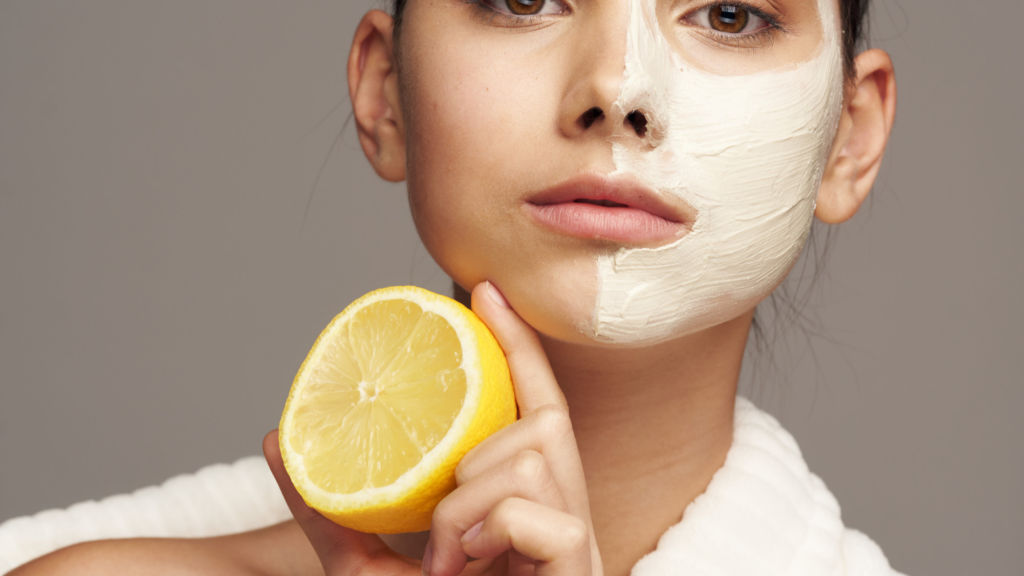
Is lemon safe for skin? Let’s be honest—if you’ve ever searched for natural remedies for glowing skin, lemon has probably shown up everywhere. From DIY face masks to quick “skin brightening hacks,” it’s often presented as a miracle ingredient. But here’s the thing… not everything natural is automatically safe.
I remember trying lemon juice on my face for dark spots after seeing it online. I was excited, thinking I’d wake up with glowing skin. Instead? My skin felt tight, irritated, and extra sensitive. That experience taught me something important—lemon for skin care can be helpful, but only when used correctly.
In this guide, we’re breaking down the truth about lemon benefits for skin, the risks, and safer ways to achieve that glow without damaging your skin barrier. Let’s get into it.
What Happens When You Apply Lemon on Your Skin?
When you apply lemon juice on face, your skin reacts to its high citric acid content. This acid acts as a natural exfoliant, helping remove dead skin cells and temporarily improving brightness.
That’s why many people believe lemon is good for face treatments—it can make skin appear smoother and lighter. It also has mild antibacterial properties, which is why it’s sometimes used as a lemon for acne treatment.
However—and this is important—lemon is highly acidic. If used improperly, it can disrupt your skin barrier, leading to irritation, dryness, and even damage.

Benefits of Using Lemon for Skin (When Used Correctly)
Let’s start with the positives. Yes, there are real lemon benefits for skin—but only when used carefully.
Lemon can help brighten dull skin and improve uneven tone. This is why it’s often used for dark spots and hyperpigmentation.
- Acts as a natural exfoliant (thanks to citric acid)
- Helps reduce excess oil in lemon for oily skin routines
- Provides mild antibacterial effects for acne-prone skin
- Supports skin brightening natural remedies
These benefits make it popular in DIY skincare with lemon, but again, moderation is key.

Risks of Using Lemon on Your Skin (What You Must Know)
Now, let’s talk about the part people often ignore—the risks.
Using lemon incorrectly can cause serious side effects on the skin. I’ve seen people apply it daily, thinking it will speed up results. Spoiler: it usually does the opposite.
- Lemon skin irritation – redness, burning, and discomfort
- Lemon chemical burn skin – especially when used undiluted
- Lemon and sun sensitivity – increases risk of sun damage
- Damage to skin barrier leading to dryness and breakouts
This is why many dermatologists recommend caution when using lemon in natural skincare tips.

Is Lemon Safe for All Skin Types?
Short answer? No.
If you have sensitive skin, lemon may not be your best option. It can easily trigger irritation.
- Oily skin: may tolerate diluted lemon occasionally
- Dry skin: can worsen dryness
- Sensitive skin: high risk of reaction
- Acne-prone skin: mixed results
This is why understanding your skin type is crucial in any natural skincare routine.
How to Use Lemon Safely on Your Skin
If you still want to try lemon, here’s how to do it safely.
- Always dilute lemon juice (never use it directly)
- Use only 1–2 times per week
- Avoid applying to broken or irritated skin
- Use at night only
- Apply sunscreen the next day
Following these steps can reduce risks while still enjoying some citric acid skincare benefits.

Safer Natural Alternatives to Lemon for Skin Care
Honestly? There are better options.
If you want glow without risk, try these natural alternatives to lemon:
- Aloe vera for skin – soothing and hydrating
- Turmeric for skin care – brightening and anti-inflammatory
- Honey for acne treatment – antibacterial and gentle
- Yogurt for exfoliation – mild and effective
- Vitamin C for skin – safer, controlled brightening
These options fit perfectly into a plant based skincare routine.



DIY Skincare Recipes Using Lemon (Safe Versions)
If you love DIY, here are safer ways to include lemon:
- Lemon and honey face mask – balances acidity
- Lemon and yogurt mask – gentle exfoliation
- Lemon + aloe vera – soothing combination
These are safer DIY beauty tips for skin when used properly.
Common Mistakes People Make When Using Lemon on Skin
Let’s keep it real—these mistakes are common.
- Using lemon directly without dilution
- Applying it daily
- Skipping sunscreen
- Ignoring irritation signs
I made most of these mistakes myself. Don’t be like old me.
When Should You Avoid Using Lemon Completely?
Sometimes, it’s better to skip it entirely.
- If you have sensitive skin
- If your skin is already irritated
- If you’re using strong treatments
- If you’ll be exposed to sunlight
Your skin’s safety always comes first.
Conclusion
So, is lemon safe for skin? Yes—and no. It can offer benefits, but it also comes with risks if misused.
The key is balance. Use it carefully, or choose safer alternatives that support your natural skincare routine without causing damage.
Your skin deserves gentle, effective care—not harsh experiments. So tell me—have you tried lemon before?